
Total Productive Maintenance (TPM) Training
Managing facilities in a more structured way, increasing reliability, operational continuity, and process quality.
TPM Training helps companies manage their equipment in a more structured way, increasing reliability, operational continuity, and process quality. When maintenance evolves from a reactive activity into an organized, proactive system, breakdowns decrease, unplanned stoppages fall, and overall production efficiency improves.
AGMC designs training programs that build concrete skills in Total Productive Maintenance, with the aim of making equipment management a real performance lever. The work is geared toward strengthening machine availability, containing scrap and rework, and building more widely shared responsibility for the care of production assets.
Measuring equipment performance to improve with greater precision

OEE – Overall Equipment Effectiveness
Availability, performance, and output quality combined into a single key indicator

Inefficiency Analysis
Identify critical areas and define improvement actions based on objective data

Causes of Losses
Breakdowns, minor stops, reduced speed, defects, and scrap made visible and manageable

Structured Performance Control
Move from intuitive management to measurable, structured performance monitoring
An effective TPM program starts with the ability to read equipment performance objectively. That is why the training introduces tools that make it possible to analyze inefficiencies, identify critical areas, and set up improvement actions on a more solid basis.
A central indicator here is OEE (Overall Equipment Effectiveness), useful for assessing the real availability of machines, the efficiency of production cycles, and output quality. Using this indicator makes it possible to move from intuitive management to more structured performance control.
The training also helps recognize and reduce the main causes of loss that affect equipment performance: sudden breakdowns, micro-stoppages, speed reductions against standards, defects, scrap, and rework. Making these issues visible means creating the conditions for improvement that is more continuous and more measurable.
Autonomous maintenance: involving operators in equipment management
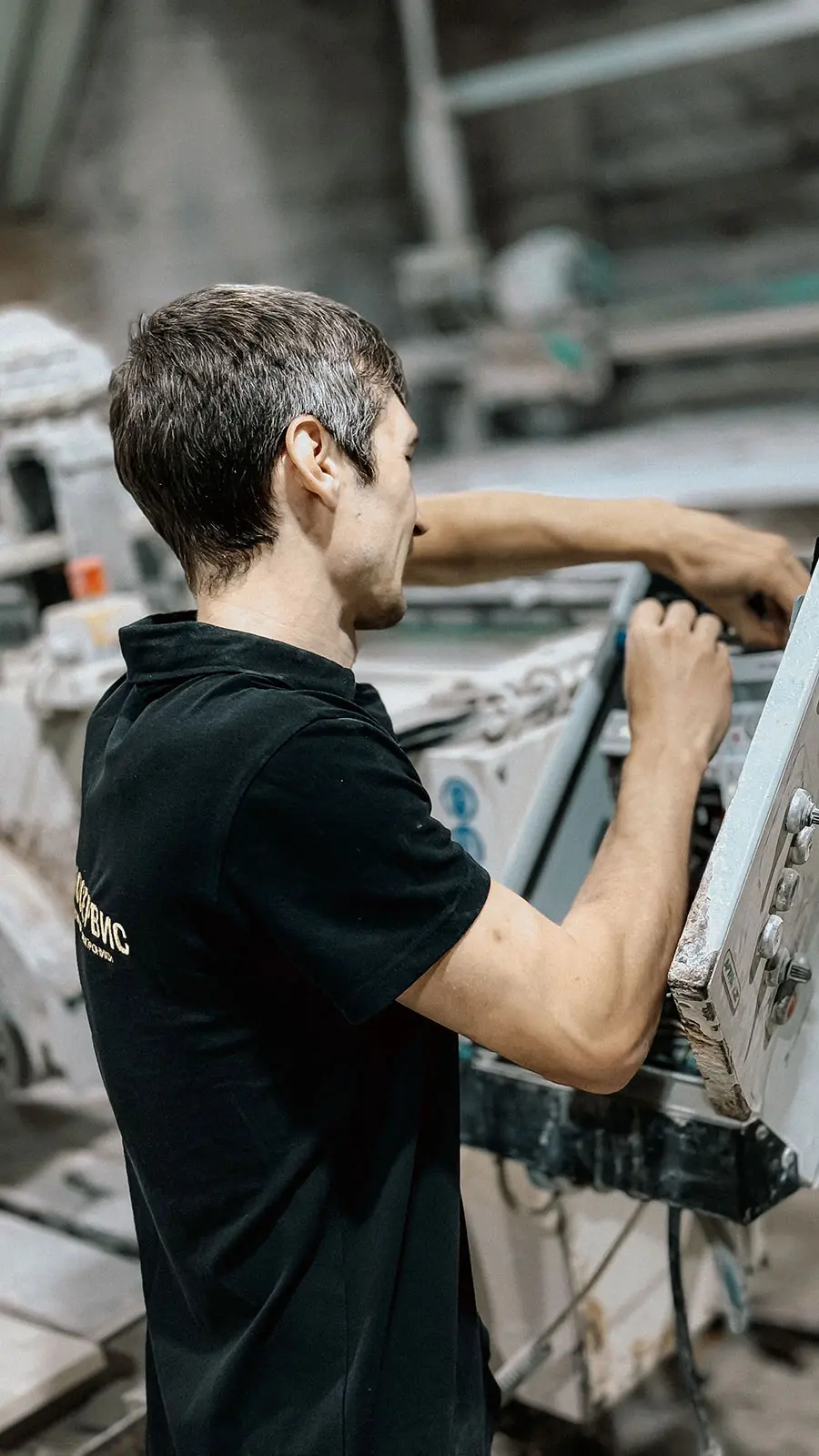
One of the pillars of TPM is autonomous maintenance — the development of a model in which machine management becomes a shared responsibility, more widely spread across the organization. This approach helps strengthen daily attention to equipment and catch anomalies and signs of deterioration earlier.
The training enables operators to carry out basic activities such as systematic visual checks, lubrication, tightening, and the early detection of anomalies. This increases awareness of how machines work, improves the quality of operational oversight, and reduces the load on maintenance teams.
A better distribution of activities also allows specialized technicians to focus on more complex, strategic interventions. The result is more effective use of internal skills and more orderly management of maintenance resources.
Integrating data and technology to prevent problems
TPM training also guides the company toward more advanced maintenance management, in which data and digital tools help anticipate problems and improve operational continuity. The aim is to strengthen preventive capability and reduce reliance on emergency interventions.
From this perspective, predictive maintenance takes on an important role, making it possible to spot signs of deterioration before they turn into breakdowns, schedule more targeted interventions, and limit unexpected interruptions. This shift makes maintenance more timely, more selective, and more consistent with the real condition of the equipment.
The training also supports the use of maintenance management software, useful for improving the control of activities, the traceability of interventions, and the overall readability of the system. When data, tools, and processes work in an integrated way, maintenance becomes more organized and easier to monitor.
Building a system of continuous improvement on equipment
TPM delivers stable results when it is sustained by organizational practices able to maintain order, visual control, and operational discipline over time. That is why the training also works on process standardization and on the visibility of working conditions.
Making processes clearer helps quickly identify anomalies, improve safety, and ease everyday work. Order, cleanliness, and visual control are not accessory elements, but conditions that support the continuity and quality of equipment management.
Another decisive factor is the involvement of the organization. Pilot projects, participation across the different company levels, and the spread of new practices help consolidate results, avoid regressions, and strengthen collaboration between departments. In this way, maintenance evolves into a more mature and shared culture.
How we work
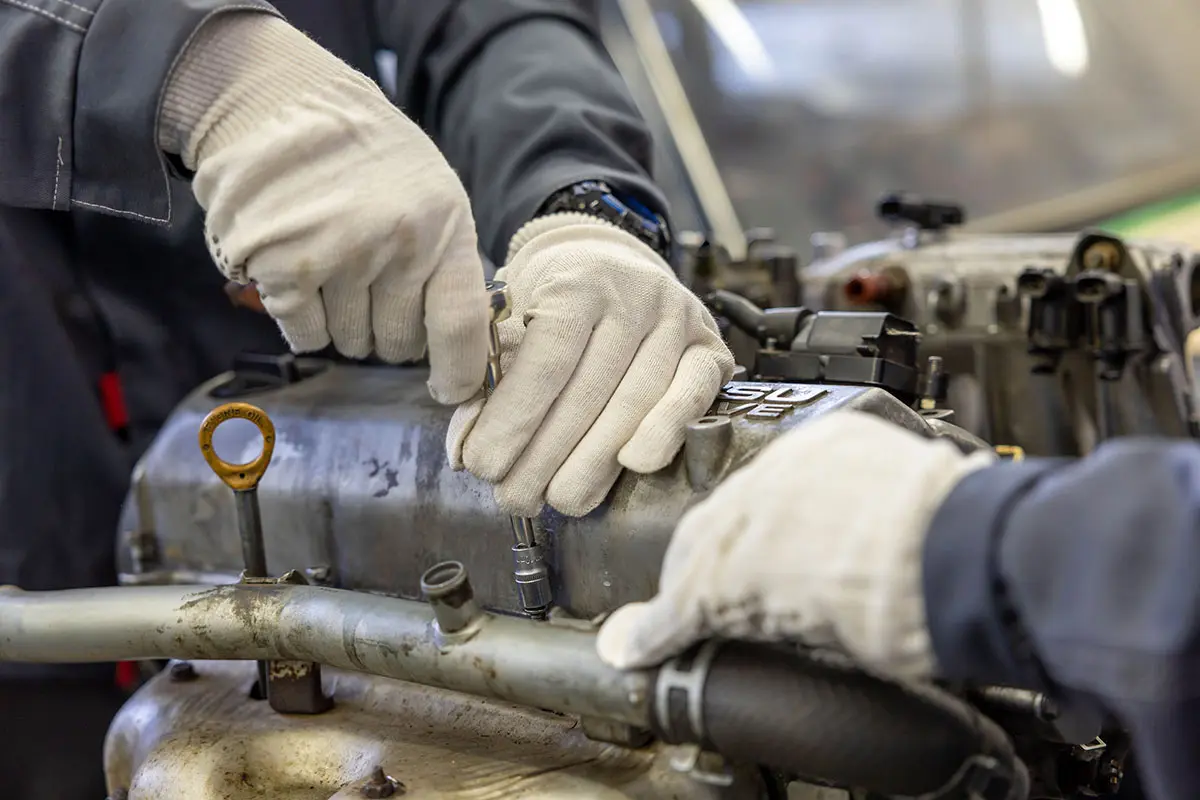
AGMC designs TPM Training programs built around the company’s specific needs, integrating theory, practical application, and hands-on support. The work is geared toward developing internal skills that improve equipment reliability, production efficiency, and process quality.
The program can address performance measurement, loss reduction, autonomous maintenance, the use of data, and the building of a continuous improvement system capable of producing concrete results over time.
Take maintenance to the next level
Skills, method, and hands-on application can turn equipment management into a concrete lever for efficiency, reliability, and quality.
Talk to AGMC to build a TPM Training program that fits your organization.